
Well drilling for the way you use your land.
A home, a working property, a business or a replacement well: every project starts with its own purpose. Tell us what you are planning and where the work would take place.
Start with the use. Build the conversation around the property.
Cluff Brothers Drilling offers residential, agricultural, irrigation, livestock, commercial and replacement well drilling. Explore the four service groups below to gather the details most useful for your project.
Service availability and scope are confirmed for the actual site. Share an address or parcel reference, access information and your goals before setting expectations for timing or cost.
Find the right starting point.
Residential well drilling
Plan a well around a home or residential property, its intended use and the broader building schedule.
Explore this service →
Agricultural, irrigation & livestock wells
Describe the land, crops, irrigation areas or livestock the proposed well would serve.
Explore this service →Commercial well drilling
Bring the project location, operating needs, site contacts and development timeline into one conversation.
Explore this service →
Replacement wells
Discuss a proposed replacement with the existing well records, current concerns and property plans in hand.
Explore this service →A clear path to the next conversation.
Share the property
Bring an address or parcel reference, directions to the entrance and your contact details.
Explain the intended use
Describe who or what the well would serve, existing water arrangements and the timing you have in mind.
Review the project
Discuss access, available records, project scope and the information needed before an estimate can be prepared.
Confirm the next step
Agree on the scope, responsibilities and schedule directly before making project commitments.
Scope, site suitability, schedule and pricing are established through a project-specific conversation. This page does not promise a particular depth, water quantity or water quality.
Shared and deep well projects
Shared well drilling and deep well drilling are also available for discussion. For a shared well, explain the properties and intended users involved. For a deep well project, provide any available well records and the reason for the proposed work. Confirm the specific scope and requirements directly; no particular depth or result is promised here.
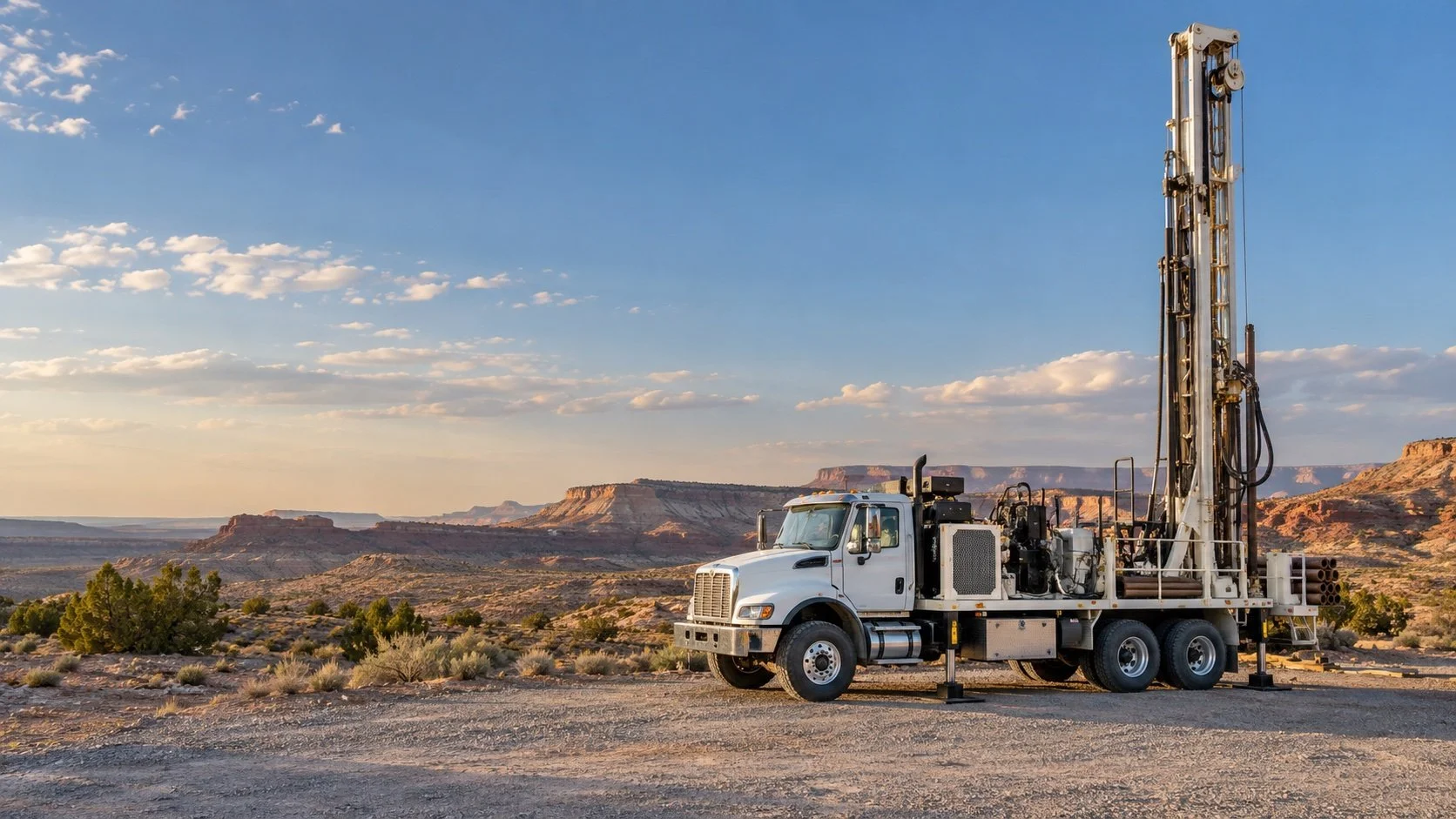
Explore our water-well drilling overview →A closer look at the setting.
Services questions
Which drilling service should I ask about if I am not sure what my property needs?
Describe the outcome rather than trying to choose the perfect service label. Tell us whether the water is for a new home, irrigation, livestock, a business or an existing well that no longer meets the property's needs. Include the location and available records. Those facts establish a better starting point than selecting “deep well” without knowing what is causing the problem.
How do residential and agricultural well projects differ?
The intended use changes the questions that need answers. A home project starts with household and outdoor demand; an agricultural project needs acreage, livestock, operating hours and seasonal demand. Either may need additional review if the use expands. See the Residential Well Drilling or Agricultural Wells page for the information to gather before requesting an estimate.
Is replacement drilling the first step when an existing well stops supplying water?
Not necessarily. A loss of supply needs to be investigated before assuming a new hole is required. Obtain the original construction record and any findings about the well and its equipment. If replacement drilling is appropriate, the old and proposed well locations, approvals and old-well disposition need to be addressed. Our Replacement Wells page covers that planning sequence.
Can one project include household, livestock and business water use?
Explain all intended uses at the beginning. Separate their anticipated demand and whether they are seasonal, intermittent or year-round. A project serving several purposes may need a different approval and design discussion than a single household well. Do not assume that choosing one service category on an inquiry form limits the information you should provide.
What should be confirmed before I accept a drilling proposal?
Confirm the proposed work, pricing assumptions, exclusions and how changes will be handled. Establish which approvals and site preparation are needed, who is responsible for related equipment and water-system work, and which completion records will be supplied. Compare proposals on the same scope rather than comparing one per-foot figure with another project's full system budget.
Start with your community. Confirm your property.
Explore planning information for these communities, then confirm availability for your exact property. A community page does not establish coverage for every parcel.
Tell us what your property needs.
Bring your location, intended use and project questions. We can start with the details that make your site different.