
Water-well drilling
in St. George, Utah
Your property. Your plans. A clear place to start. Share your location, intended water use and timeline with Cluff Brothers Drilling to discuss your project.
A well-drilling conversation starts with your St. George property.
St. George is in Washington County, but a city name alone does not identify a drilling site. Share an address or parcel reference, plus clear directions to the property entrance.
For a property in or near St. George, distinguish the mailing address from the proposed work location. Explain where vehicles would enter, whether access crosses another property, and what you intend to use the water for.
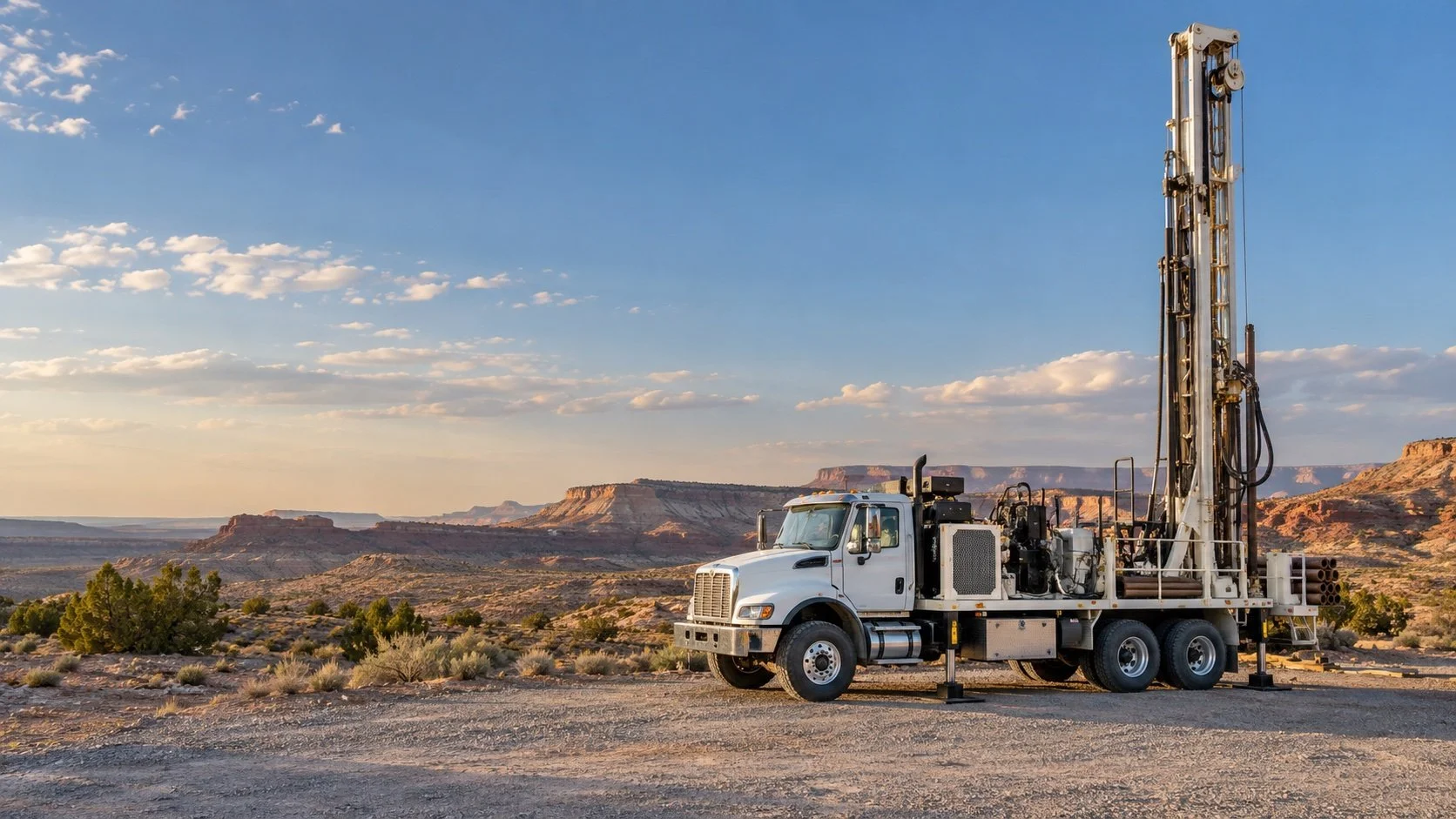
Bring the details that matter.
Property address and parcel reference
Start with the precise location so coverage and next steps can be discussed for the actual site.
Explore water-well drilling →
Entrance location and access directions
Describe the entrance, approach route and any known restrictions. Ask what additional information is needed.
Explore water-well drilling →
Planned water use and preferred timing
Explain your goals and preferred schedule. Availability and scope need a direct conversation.
Explore water-well drilling →Four details worth discussing early.
Exact location
An address or parcel reference is more useful than a regional description alone.
Site access
Describe the entrance, approach route, gates and known restrictions.
Intended use
Explain your goals without assuming any particular water quantity or quality can be promised.
Clear expectations
Ask about confirmed coverage, availability, scope and what comes next.
A closer look at the work.
St. George well-drilling questions
Can I drill a private well on a St. George-area lot instead of connecting to a water provider?
Do not assume it is an available substitute. Check the parcel's service options and applicable local requirements, then verify the water-right route with the Division. The Virgin River policy generally relies on valid existing rights for new uses, subject to specific exceptions. A property's listing or a nearby well does not establish that a private well will be approved.
What should I verify before purchasing a lot advertised with water rights?
Ask for the exact right number and documents showing the interest being conveyed. Confirm that the right can serve this parcel and the intended use, and have ownership and transfer requirements reviewed. Also distinguish a water right from a utility connection or irrigation-company share. Those descriptions are not interchangeable in a property listing.
Can I add outdoor irrigation to a well approved for a home?
Check the existing approval before expanding use. Describe the area to be irrigated, landscaping or crops, seasonal demand and any other water source already serving the property. A well's ability to pump more water does not establish permission to use more. If the intended use differs from the approved one, resolve that before changing the project.
Why do you need access photos for a St. George-area drilling estimate?
A parcel can have road frontage yet still lack a workable route to the proposed well. Gates, walls, turning space, grades and overhead clearance may affect equipment access. Send photos from the entrance through the setup area and mark the intended well location. This helps identify questions early instead of discovering them when equipment is scheduled.
What if the property already has an old or unused well?
Find its well log and associated water-right information before assuming it can be used or replaced. Confirm the location and ask a qualified professional to evaluate the condition appropriate to the planned use. If new drilling is needed, identify the required authorization and what must happen to the old well. An existing hole is not a substitute for complete records.
Let’s talk about your St. George property.
Start with the location, intended water use and timing you have in mind. Confirm coverage and availability for your specific parcel before making plans.