
A well project starts with your home and property.
Planning a new home or evaluating water plans for a residential property? Begin with the exact location, intended household use and the work already planned for the site.
Connect the well conversation to the whole property plan.
Residential well drilling is one part of a larger property decision. Tell Cluff Brothers Drilling whether you are planning a new residence or working with an existing home, and describe your current water arrangements.
A mailing address may not identify the work area or entrance. Share a parcel reference, clear access directions and available site plans so the conversation focuses on the actual property.
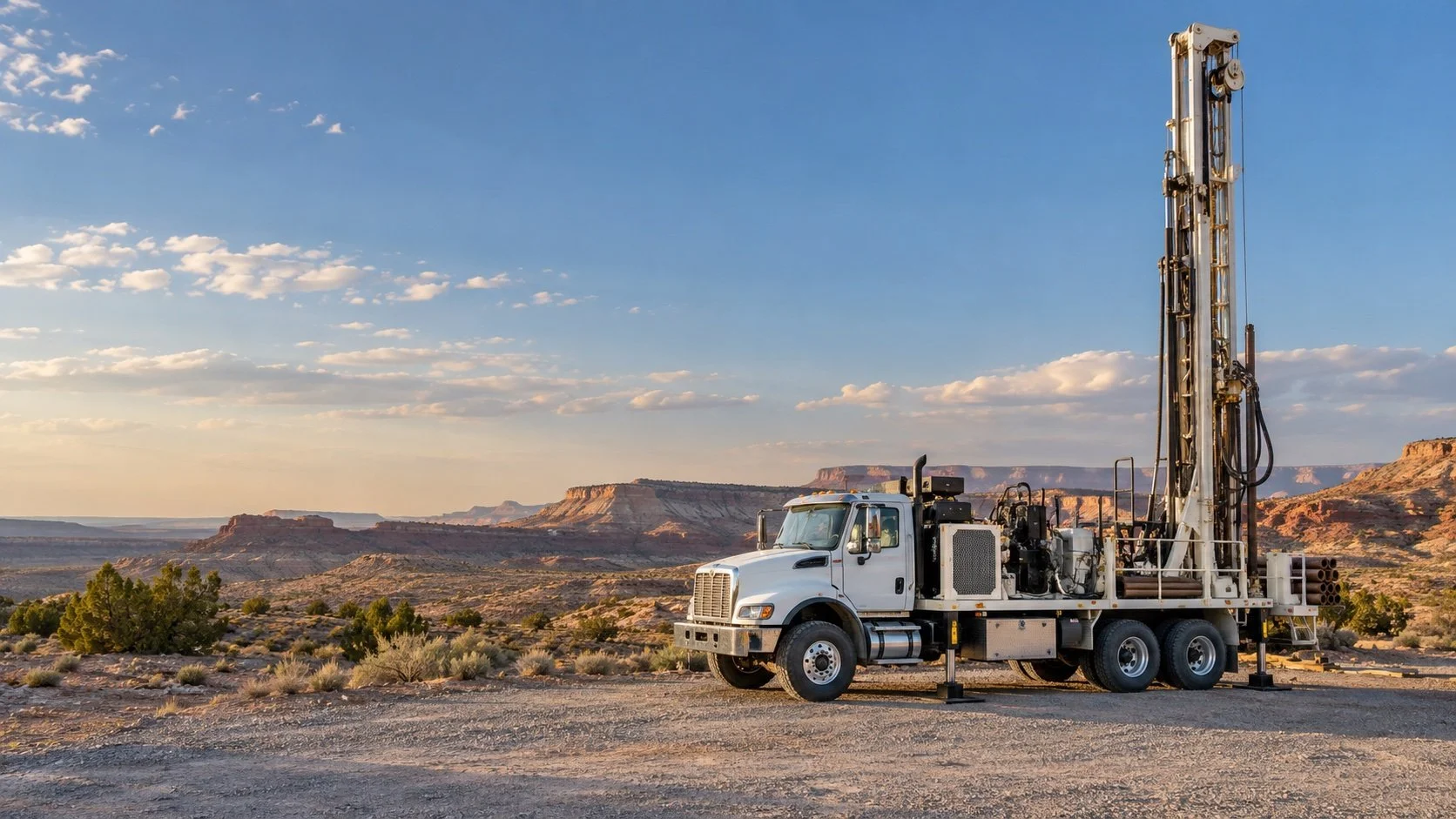
Three details to bring to the first conversation.
Home and intended use
Describe the residence and the uses you expect the proposed well to serve. Identify any additional buildings or outdoor uses separately.
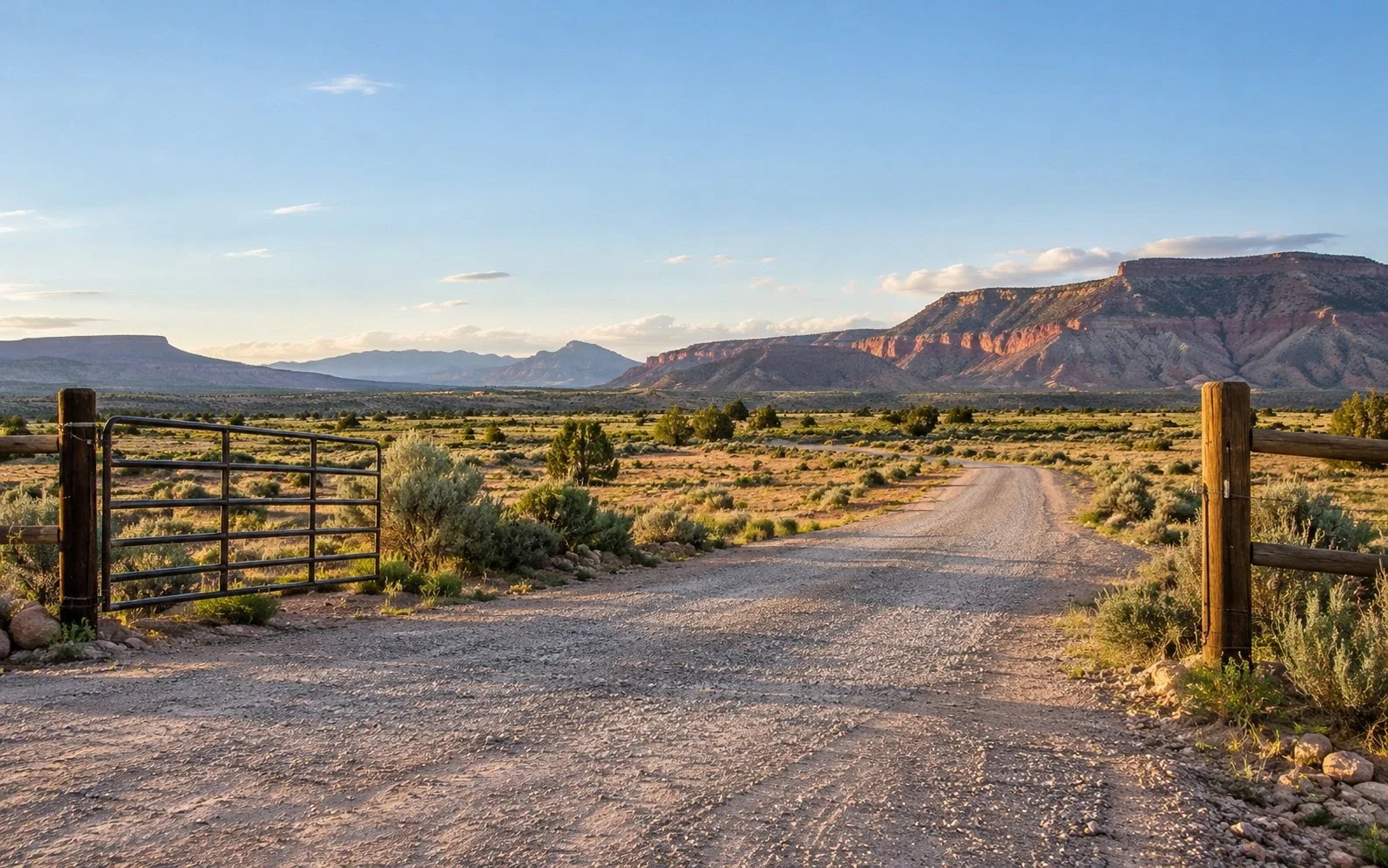
Property access
Explain the entrance, approach route, gates and known restrictions. Share where other construction is planned or underway.
Building timeline
Bring your preferred schedule and any milestones involving a builder or other contractor. Confirm availability before relying on a date.
Make the scope clear early.
New or existing residence
Explain the property's current condition and how the proposed well fits your plans.
Available records
Bring existing well information or site documents if you have them; identify what is still unknown.
Shared use
If more than one property would use the well, identify the participating properties and ask about the proposed shared-well scope.
Responsibilities
Ask which work is included and what must be arranged separately before scheduling.
Scope, site suitability, schedule and pricing are established through a project-specific conversation. This page does not promise a particular depth, water quantity or water quality.
A closer look at the setting.
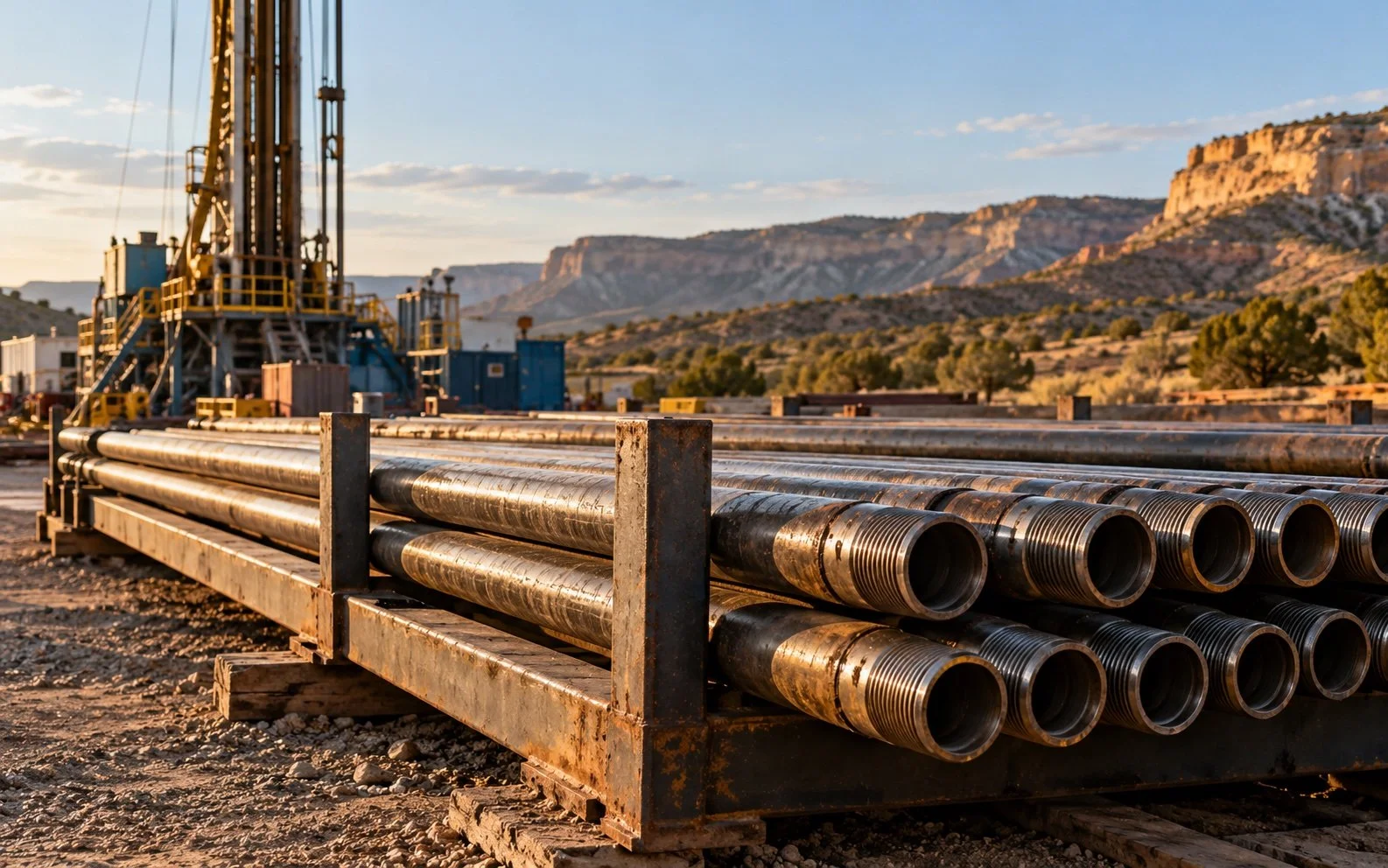
Residential Well Drilling questions
When should I plan the well for a new house?
Plan the water supply before fixing the house, septic and driveway layout. The well needs an approvable location and access for drilling and future work. Water approvals should also be checked before the building schedule depends on them. Bring a preliminary site plan rather than waiting until the only open space left on the lot is beside the septic system.
What should I check before buying vacant land that needs a well?
Ask for the parcel number, any existing well records and the documents supporting the proposed water supply. Confirm the approval route, legal access, service availability and local building or septic requirements. In Utah, land ownership and water-right ownership can be separate. A listing that says “well possible” or a neighboring well is not a completed water-supply plan.
Can one residential well serve a house, garden and livestock?
Describe all three uses before the project is scoped. They affect both the amount of water needed and the approvals to check. Do not assume a well described as “domestic” covers any size of garden, pasture or livestock operation. Include the intended irrigated area, animals and future additions so the proposed use is clear from the beginning.
Can two homes share a well?
A shared well needs planning for both water use and long-term responsibility. Confirm that the proposed connections are allowed, then address access, ownership, maintenance costs, electricity, repairs and what happens if one property is sold. Have the agreement reviewed by a qualified professional. Drilling the well alone does not settle the rights and obligations between neighboring owners.
How much water does a household well need to produce?
There is no single production number that fits every household. Start with occupants, fixtures, outdoor uses and periods when several demands overlap. Well yield, usable storage and peak demand are different parts of the design. Discuss how adequacy will be evaluated for your proposed home and confirm any requirements from the local authority or lender before relying on a target figure.
Is water from a new well automatically ready to drink?
No. A completed borehole or clear-looking water is not a water-quality result. Arrange the testing required for the property and intended use, and use a qualified laboratory or health authority for the testing plan. Clarify who handles sampling, disinfection, any needed treatment and the remaining water-system work before the home depends on the supply.
Explore related services.
Start with your community. Confirm your property.
Explore planning information for these communities, then confirm availability for your exact property. A community page does not establish coverage for every parcel.
Start planning around your residential property.
Gather your location, household use and preferred timing for a focused estimate conversation.