
Preparing Your Property for Water Well Drilling: Access and Site-Planning Checklist
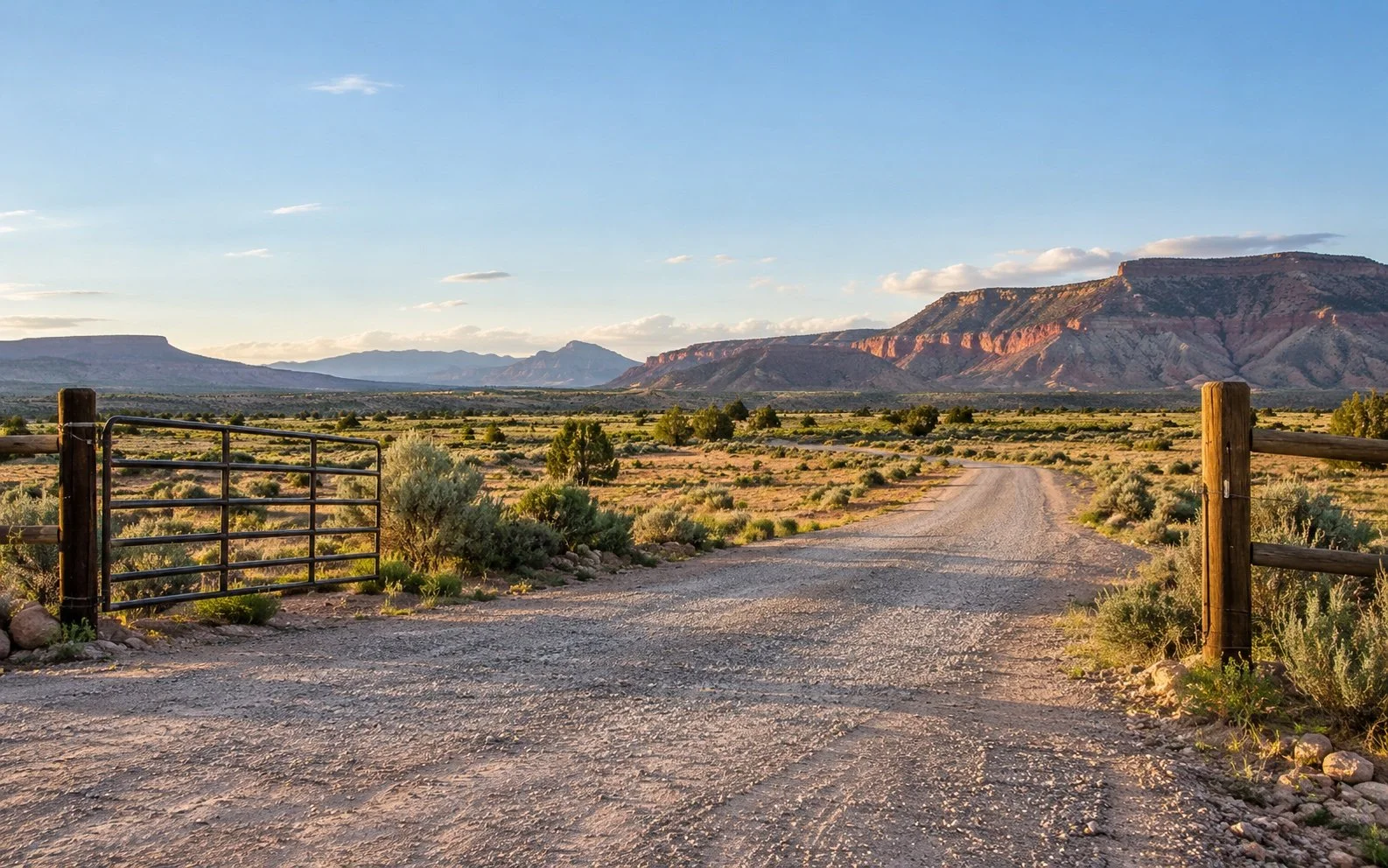
A well project starts before the drilling rig arrives. The route onto your property, the working area and the information you share can all affect how the work is planned. For landowners in Southern Utah and Arizona, a useful first step is to review the site with your driller before clearing land or committing to an exact well location.
Use this checklist to prepare for that conversation. Equipment needs and site conditions vary, so have the drilling contractor confirm what your property requires.
1. Walk the entire access route
Start at the public road and follow the proposed route to the drilling area. A driveway that works for a pickup may need a closer look before larger equipment can use it.
Note gates, tight turns, steep grades and places where vehicles would need to reverse.
Flag overhead power lines, low branches and other overhead obstructions without approaching or disturbing them.
Point out bridges, culverts, soft shoulders, loose sand, washes and areas that become muddy after rain.
Explain shared driveways, locked gates and any restrictions on when the property can be accessed.
Send photos from the entrance and along the route, plus a map pin or clear directions. Ask the driller to assess the route and required clearance; do not assume a standard gate width or overhead height will fit every rig.
2. Discuss the working area before moving dirt
The drill site needs more than a spot for the well itself. Ask where the rig, support vehicles, materials and temporary staging would go, and how vehicles would enter, turn and leave.
Identify slopes, drainage paths, landscaping, fences and surfaces you want to protect. Ask who is responsible for any grading, vegetation removal or temporary access work, and what cleanup or restoration is included. Wait for an agreed plan before hiring earthmoving equipment or removing obstacles.
3. Map what is already on the property
Bring a simple site sketch showing buildings, property boundaries, septic components, existing wells, tanks, power lines and known underground services. Include planned additions, driveways and outbuildings so the proposed location can be considered alongside future improvements.
A sketch helps start the discussion; it does not establish boundaries or replace utility locating. Ask who will arrange required utility locating and how privately owned lines will be identified before ground disturbance. Keep people and equipment away from electrical hazards.
4. Keep the proposed well location flexible
Your preferred location may need to change after the contractor reviews access, site conditions and applicable requirements. Ask what approvals and site-specific separation requirements need to be confirmed, and who will handle each step.
Plan for future access to the wellhead as well as construction access. A location that becomes boxed in by a building, wall or permanent landscaping may complicate later service. Discuss the location with the driller before finalizing nearby improvements.
5. Explain how the property will use water
Describe your current needs and realistic future plans. A household, irrigated acreage, livestock area or commercial site can involve different planning considerations. Review our well drilling services and explain which uses apply to your property.
If this is a replacement project, gather available well records and show the existing well and connected equipment. For shared access, identify the relevant property contacts and any access arrangements that need clarification.
Your pre-estimate checklist
Property address or parcel reference, map pin and directions
Entrance and access-route photos, including known obstacles
Site sketch with existing features and planned improvements
Available well records and utility information
Intended water use and future plans
Questions about site preparation, access work and cleanup responsibilities
A contact who can arrange a property visit and unlock gates
Start with a property-specific plan
Cluff Brothers Drilling serves Southern Utah and Arizona. Check our service areas, then request an estimate with your location, water-use goals and access details. A focused conversation can help identify what needs review before equipment is scheduled.
Good site preparation supports planning, but it cannot guarantee well depth, water yield or water quality. Confirm the scope, responsibilities and next steps for your particular property before work begins.
